
The Dutch HGV charge has been in force since 1 July 2026.
We set out honestly what is changing, what it costs and how we deal with it together, constructively.
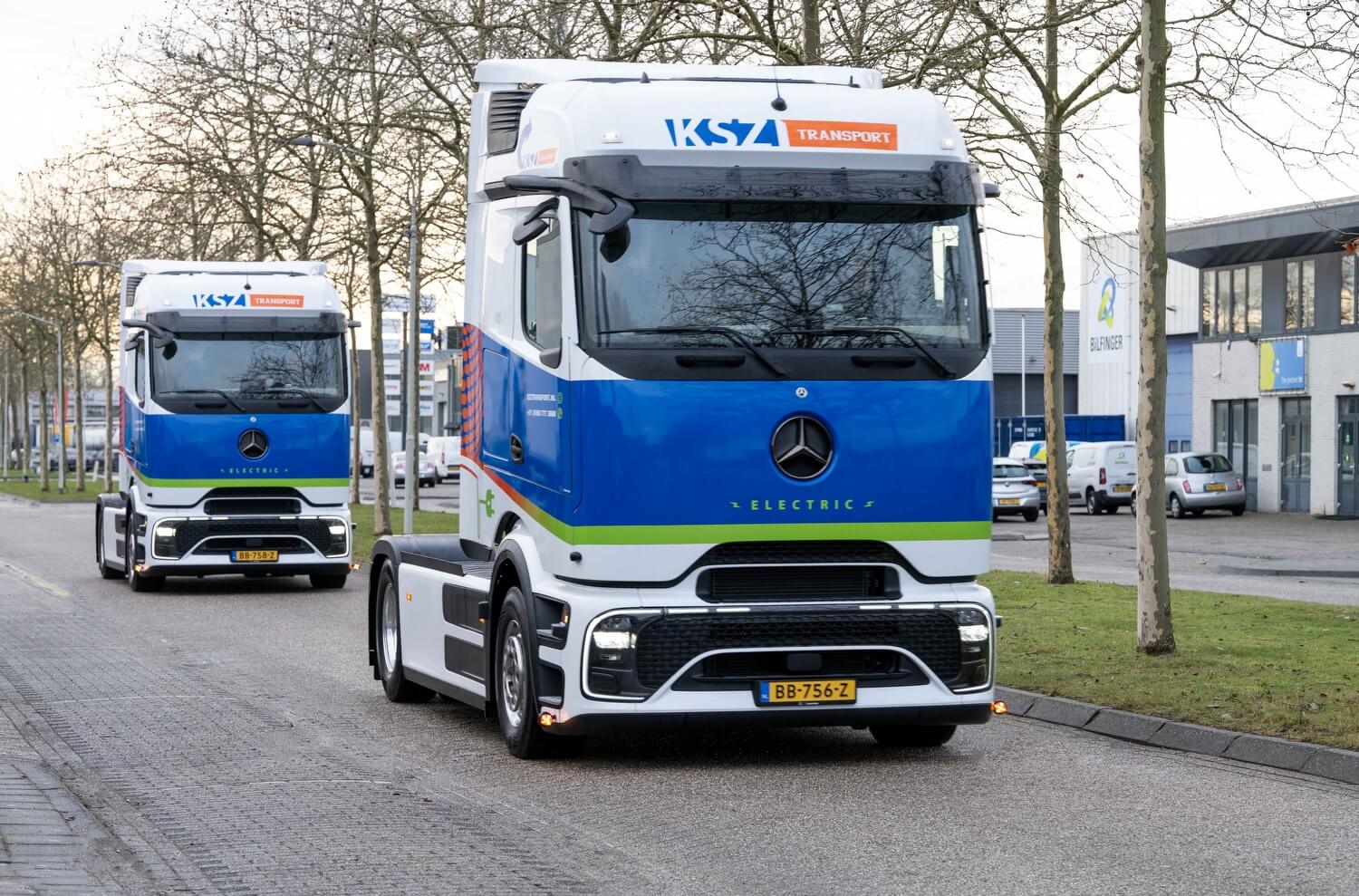
Since 1 July 2026, every lorry of 3,500 kilos and over pays for each kilometre driven in the Netherlands. The Eurovignette has gone, vehicle tax for heavier road transport is falling sharply, and the HGV charge takes its place: paying for use.
It is one of the biggest changes in road transport of recent years. For you as a client it is useful to know what is going on. Not as a worry, but as context. So here it is, clearly set out.
What changes as of today
The charge applies on practically all motorways and on part of the provincial and municipal road network, to Dutch and foreign lorries alike. That last point is a gain: foreign hauliers now contribute to the upkeep of our roads as well, which makes the playing field fairer. The rate depends on the weight and the emissions of the vehicle. The cleaner and lighter it is, the lower the amount per kilometre.
What it costs
A worked example used by the government itself: a diesel truck covering 75,000 kilometres a year pays some 13,950 euros in charges annually. The same vehicle, fully electric, comes to roughly 2,625 euros. The average rate in 2026 is around 19 cents per kilometre for diesel, against a few cents for zero-emission.
For a fleet of more than a hundred vehicles that is a serious, structural cost. At the same time there is a clear logic to it, because it rewards exactly the choices the sector is moving towards anyway.
One welcome nuance for the short term: from 1 September to 31 December 2026 a temporary discount of 22.3 per cent applies, because fuel costs have risen sharply this year. From 2027 the rates will rise again each year in line with inflation.
Where the money goes
This is perhaps the most positive news. A large part of the proceeds flows back into the sector. For 2026 there is more than 253 million euros available for sustainability, and in the period up to 2030 the figure is over 1.6 billion, most of it for the electrification of lorries and for charging infrastructure. Anyone investing in clean equipment now will be driving at structurally lower cost later. That is precisely why we look ahead.
The reality, named honestly
We will not pretend this changes nothing. Transport has been running on narrow margins for some time. There is a reason transport and storage is the sector that feels the pressure of rising costs most keenly. An additional structural cost therefore calls for an honest conversation along the chain, rather than surprises after the fact.
We are glad to have that conversation, as partners. Together we can look at how smarter planning, higher load factors and cleaner equipment keep costs manageable. Everyone benefits from that: you, us and the chain as a whole.
Where KSZ stands
We believe transport deserves a fair price, because there is a fair performance behind it. Certified transport, reliable deliveries, data-driven planning and the assurance that supply simply continues. Transparency is part of that. We build the charge into a clear price per kilometre rather than a vague surcharge at the bottom of the invoice. And we invest in cleaner equipment, so that this price can work out more favourably over time.
Without transport, everything stops.
The HGV charge makes visible what has always been true: that foundation under our economy costs money, and with the right choices it is money well spent. We take those choices on with confidence.
Would you like to know how KSZ builds the charge into a fair, transparent price per kilometre, and how we can keep costs under control together through smarter planning and greater sustainability? Our specialists are glad to think it through with you, without obligation.
Sources: Rijksoverheid.nl, vrachtwagenheffing.nl, CBS. Figures at 2026 price levels.
Want quick and substantive answers to your questions?
Then get in touch to spar obligation-free with one of our transport specialists.